
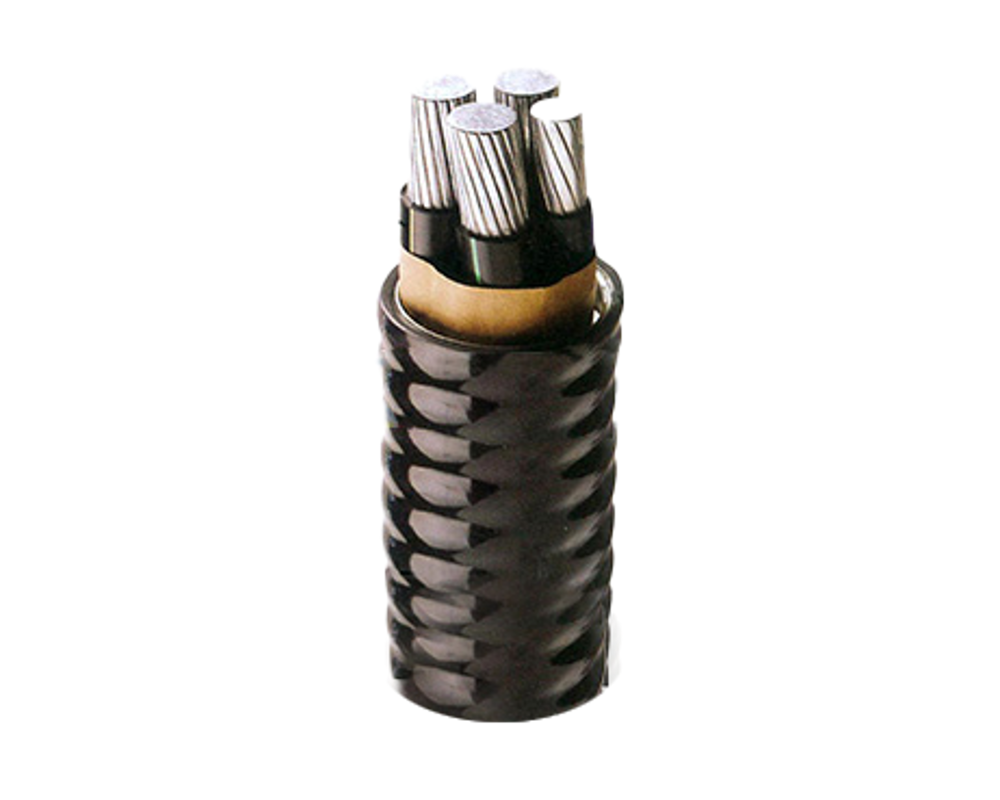
Use
Used for fixed installation of transmission and distribution lines in AC 50Hz, rated voltage 1-3kV power systems, for transmitting and distributing electrical energy
Cables are allowed to be laid indoors, outdoors, in the air, and buried in the soil, and local water accumulation is allowed
The laying methods can be tunnels, pipelines, cable trenches, cable trays, and ducts. Armored cables are allowed to be buried directly underground
Single core cables are not allowed to be laid inside magnetic metal pipes
Single core armored cables are made of non-magnetic metal materials
The cable laying environment should have good heat dissipation conditions
Cable specifications
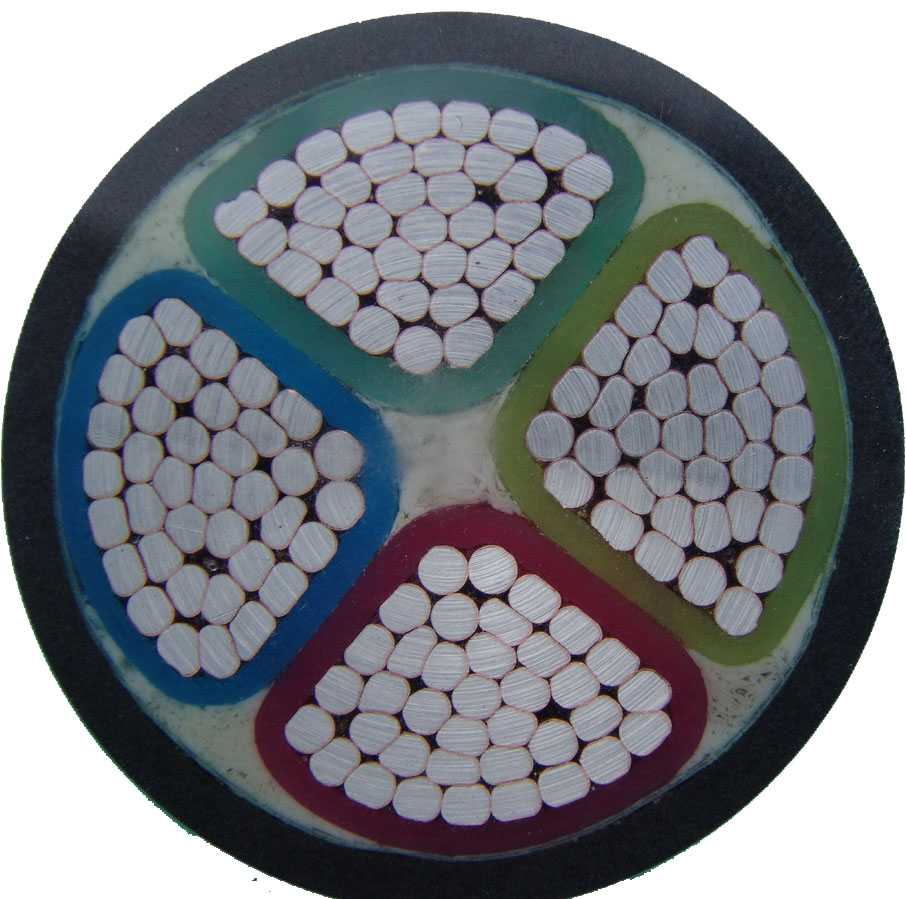
Number of cores: 1, 2, 3, 4, 5, 3+1, 4+1, 3+2
Conductor cross-sectional area: 10~800mm2
Voltage level: 0.6/1kV, 1.8/3kV
Conductor characteristics
The conductor is made of aluminum iron alloy material and adopts overall annealing process. The tensile strength of the conductor single wire is between 98~159MPa, and the fracture productivity is not less than 10%. It has good flexibility, creep resistance and corrosion resistance.
Special properties of cables
Flame retardant/halogen-free low smoke flame retardant
Oil resistant/UV resistant/Low temperature resistant/High temperature resistant
Anti termite/anti rodent
Rated operating temperature of conductor
The maximum rated working temperature of the cable conductor is 90 ℃, and during a short circuit (with a maximum duration of 5 seconds), it does not exceed 250 ℃
Allowable bending radius of cable
Should not be less than 7 times the outer diameter of the cable
cable structure
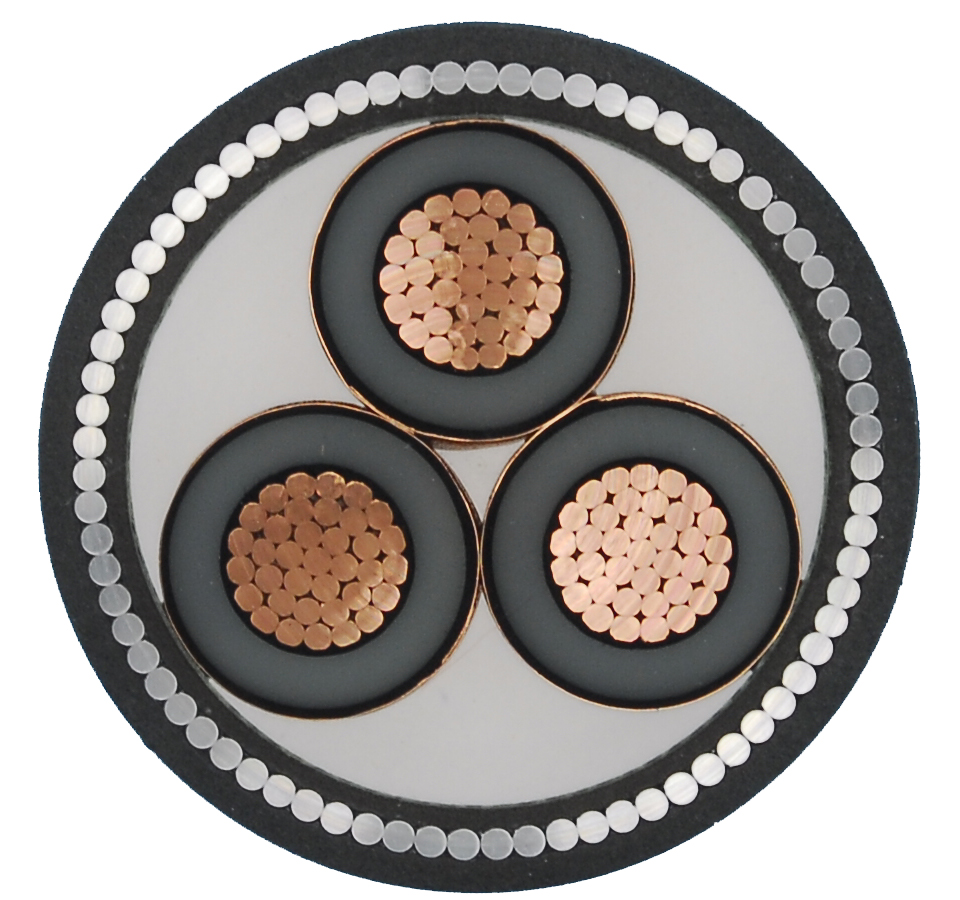
The main structural components of the cable are: conductor, insulation layer, and protective layer
among which
The conductor material is aluminum alloy (AA)
The insulation material is cross-linked polyethylene (XLPE)
The protective layer materials are: polyvinyl chloride (PVC), polyethylene (PE), halogen-free low smoke polyolefin (LSFH), galvanized steel strip (ST), aluminum strip (AT), aluminum alloy strip (AAT), stainless steel strip (SST)
Typical structure of cable:
AA +XLPE +PVC/PE/LSFH/FR
AA +XLPE+AATA
AA +XLPE+STA/ ATA/AATA/SSTA +PVC/PE/LSFH/FR

Long Press to Scan QR Code
Scan QR Code